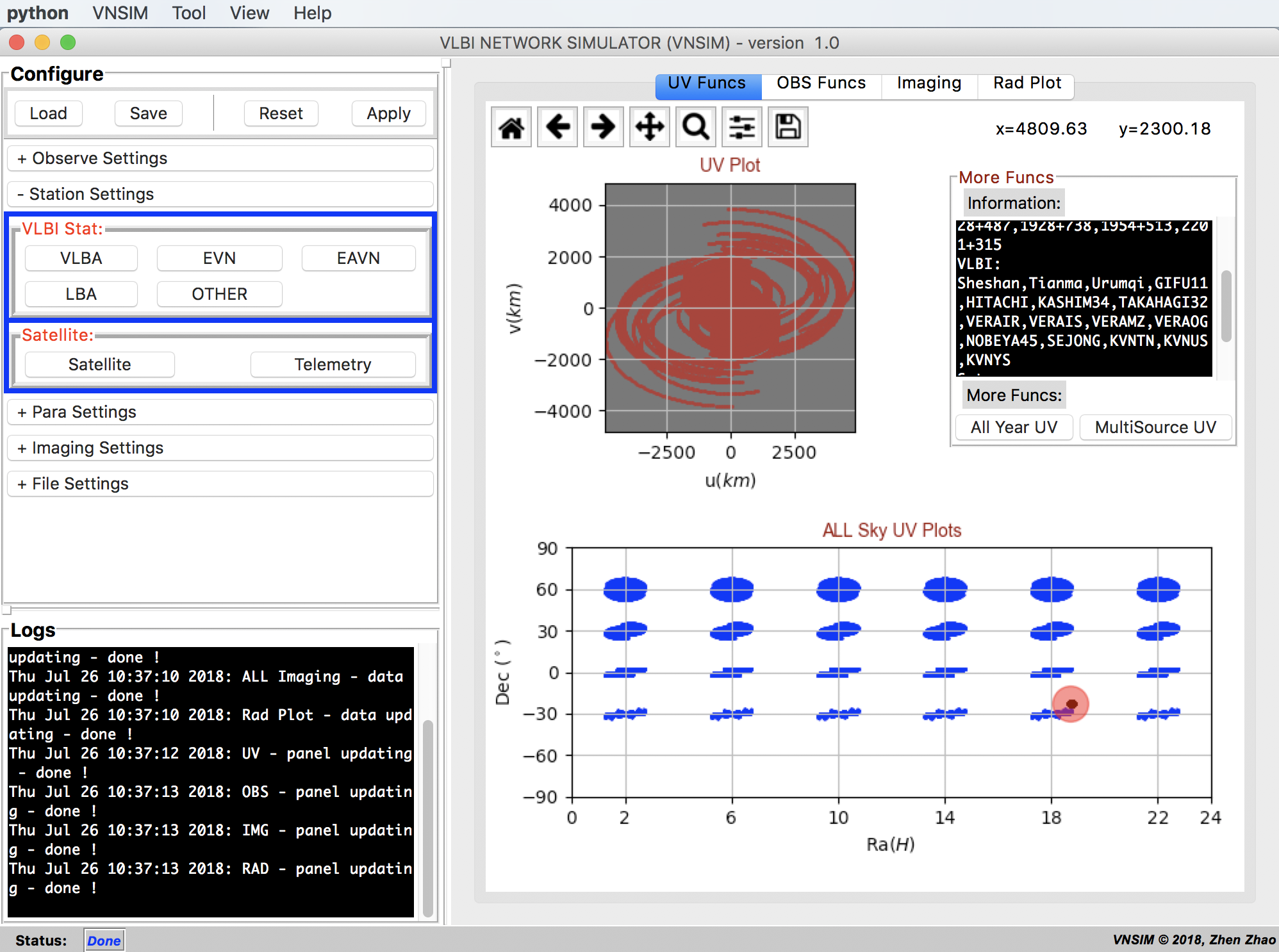
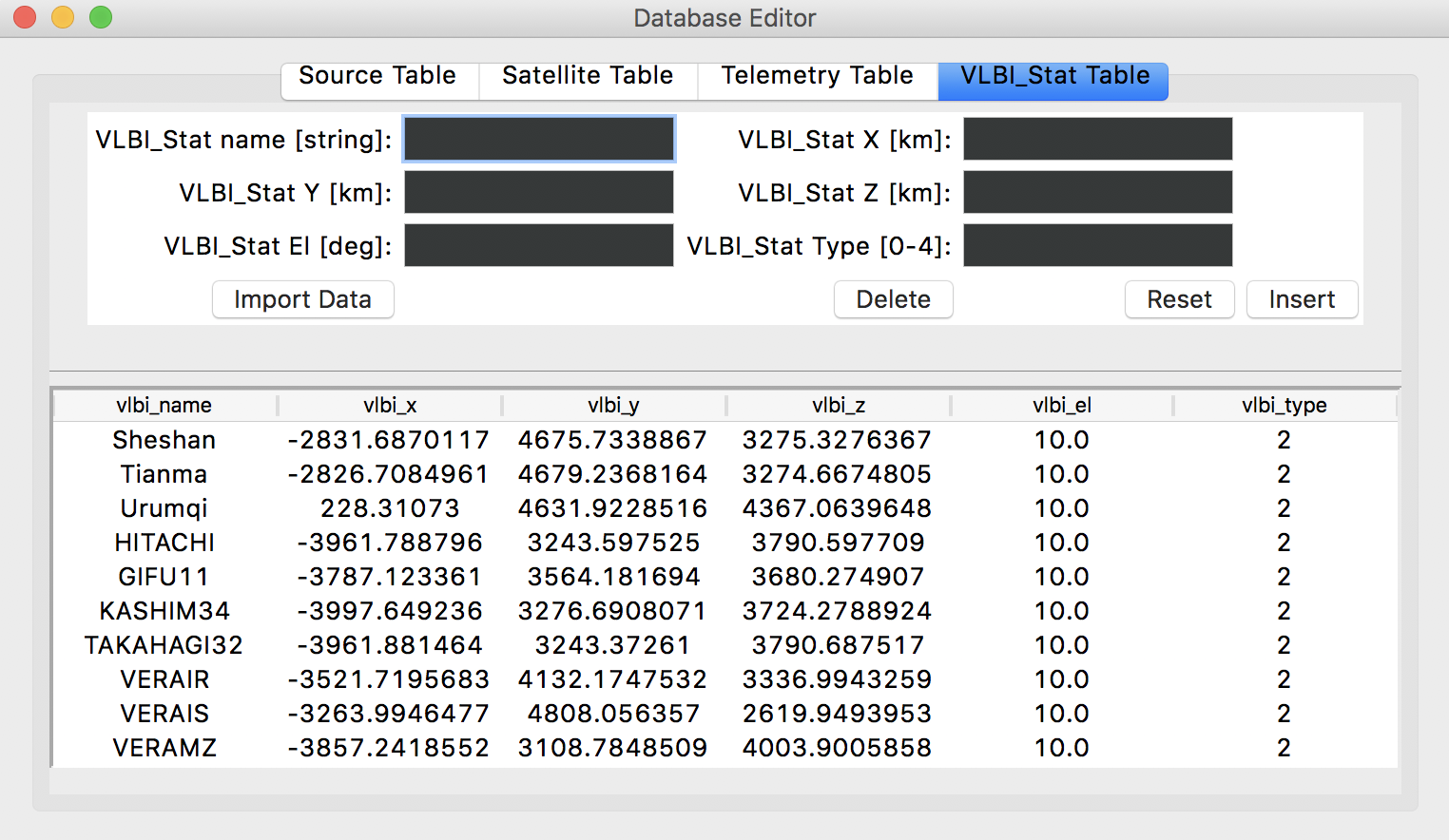
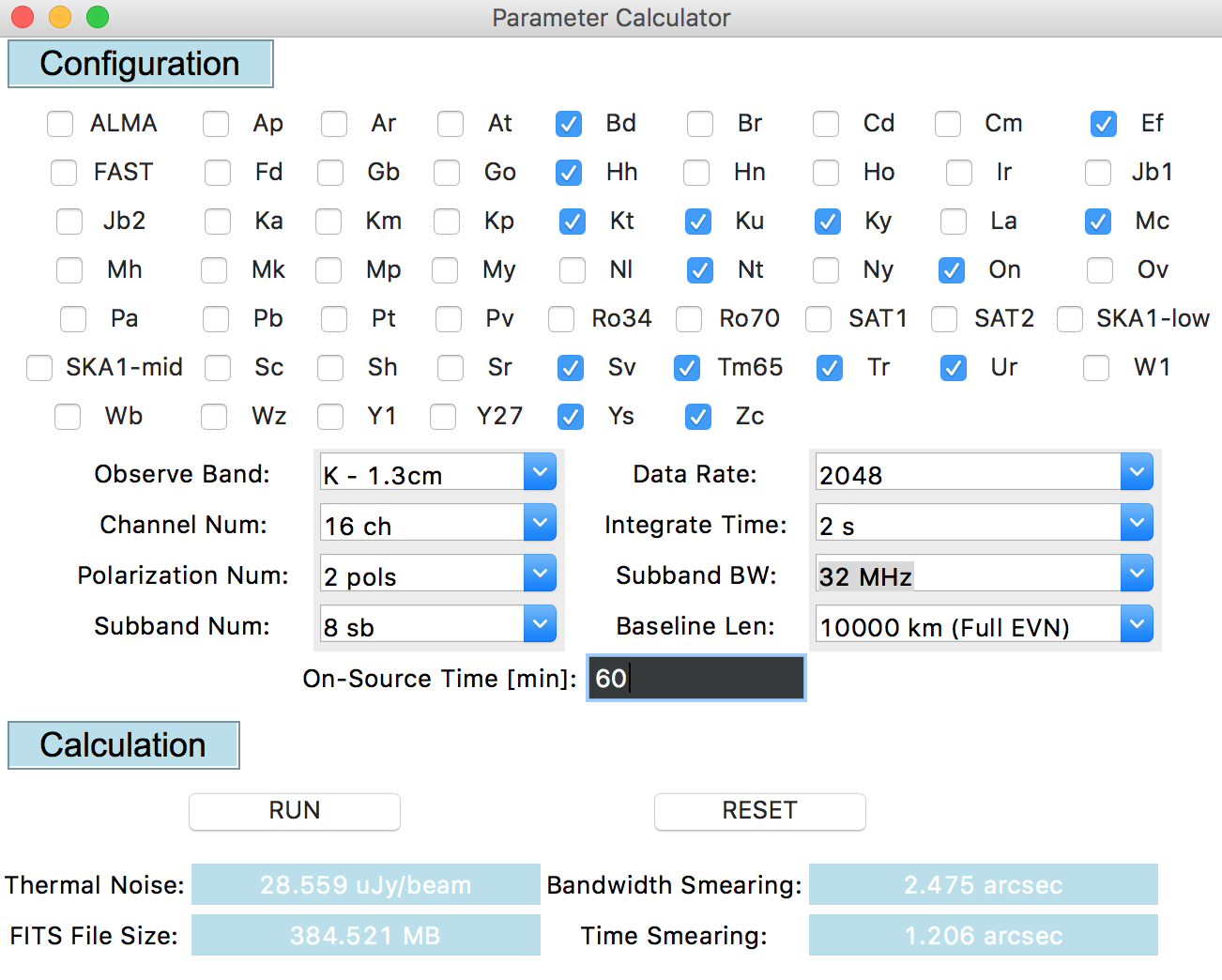
<?xml version="1.0" encoding="utf-8"?><feed xmlns="http://www.w3.org/2005/Atom" ><generator uri="https://jekyllrb.com/" version="3.10.0">Jekyll</generator><link href="https://zhenzhao.github.io/feed.xml" rel="self" type="application/atom+xml" /><link href="https://zhenzhao.github.io/" rel="alternate" type="text/html" /><updated>2025-09-05T19:56:02-07:00</updated><id>https://zhenzhao.github.io/feed.xml</id><title type="html">Zhen ZHAO’s Homepage</title><subtitle>Researcher @ Pujiang Lab &amp; Huairou Lab</subtitle><author><name>Zhen ZHAO</name><email>zhaozhen@pjlab.org.cn</email></author><entry><title type="html">VLBI Simulator</title><link href="https://zhenzhao.github.io/posts/2017/11/demos-vlbi-sim/" rel="alternate" type="text/html" title="VLBI Simulator" /><published>2017-11-01T00:00:00-07:00</published><updated>2017-11-01T00:00:00-07:00</updated><id>https://zhenzhao.github.io/posts/2017/11/demos-vlbi-sim</id><content type="html" xml:base="https://zhenzhao.github.io/posts/2017/11/demos-vlbi-sim/"><![CDATA[<p>To develop an integrated VLBI simulator, named VNSIM, for the VLBI research community. 
This work is initially motivated by the demand of the East Asia VLBI Networks and can also be expandable to other VLBI networks and generic interferometers.</p>

<h2 id="设计要求">设计要求</h2>

<h3 id="功能列表">功能列表</h3>

<ul>
  <li>UV 覆盖, 及其相关， UV plots and UV plots within a time duration</li>
  <li>参数估算，FITS fie size, bandwidth and time smearing</li>
  <li>（观测）时间规划， Plot AZ-EL and Sky survey for observation schedule</li>
  <li>图像参数评估，图像模拟 （dirty Beam, dirty Map) Original and Dirty Image</li>
  <li>图形处理窗口， ［clean 算法］</li>
</ul>

<h3 id="ui设计">UI设计</h3>

<ul>
  <li>参数设置： 参数列表，阵列复选，功能复选，</li>
  <li>log窗口： 时时tell当前正在处理什么内容</li>
  <li>image窗口： 时时显示图片结果</li>
  <li>输出窗口： 一套输出结果，可导出</li>
</ul>

<h3 id="交互要求">交互要求</h3>

<ul>
  <li>数据库支持UI添加新数据</li>
  <li>一次配置，全部显示</li>
  <li>动态修改，动态显示</li>
</ul>

<h3 id="开发细节">开发细节</h3>

<ul>
  <li>前期：python, tkinter (个别功能用wxpython美化), sqlite</li>
  <li>后期: 做成服务的形式，在SKA组的网站上在线使用</li>
</ul>

<h2 id="第一版本">第一版本</h2>

<p>project available at https://github.com/ZhenZHAO/EAVNSIM/wiki</p>

<p>a detailed paper is available at http://cn.arxiv.org/abs/1808.06726</p>

<p>Main GUI</p>

<p><img src="/files/demos/vlbi/soft_gui.png" alt="soft_gui" /></p>

<p>Database</p>

<p><img src="/files/demos/vlbi/ui_db.png" alt="soft_gui" /></p>

<p>Calculator</p>

<p><img src="/files/demos/vlbi/ui_cal.png" alt="soft_gui" /></p>]]></content><author><name>Zhen ZHAO</name><email>zhaozhen@pjlab.org.cn</email></author><category term="VLBI" /><category term="demos" /><summary type="html"><![CDATA[To develop an integrated VLBI simulator, named VNSIM, for the VLBI research community. This work is initially motivated by the demand of the East Asia VLBI Networks and can also be expandable to other VLBI networks and generic interferometers.]]></summary></entry><entry><title type="html">Medical Sensor Monitoring Via BLE</title><link href="https://zhenzhao.github.io/posts/2016/08/ble-sensor-android/" rel="alternate" type="text/html" title="Medical Sensor Monitoring Via BLE" /><published>2016-08-24T00:00:00-07:00</published><updated>2016-08-24T00:00:00-07:00</updated><id>https://zhenzhao.github.io/posts/2016/08/ble-sensor-android</id><content type="html" xml:base="https://zhenzhao.github.io/posts/2016/08/ble-sensor-android/"><![CDATA[<p>Dr. Mohammad Ali Darabi is working on gum sensor for a long time, like his paper, <code class="language-plaintext highlighter-rouge">Gum Sensor: A Stretchable, Wearable, and Foldable Sensor Based on Carbon Nanotube/Chewing Gum Membrane</code>. And my job is to make the transmission wirelessly via BLE.</p>

<h3 id="introduction">Introduction</h3>

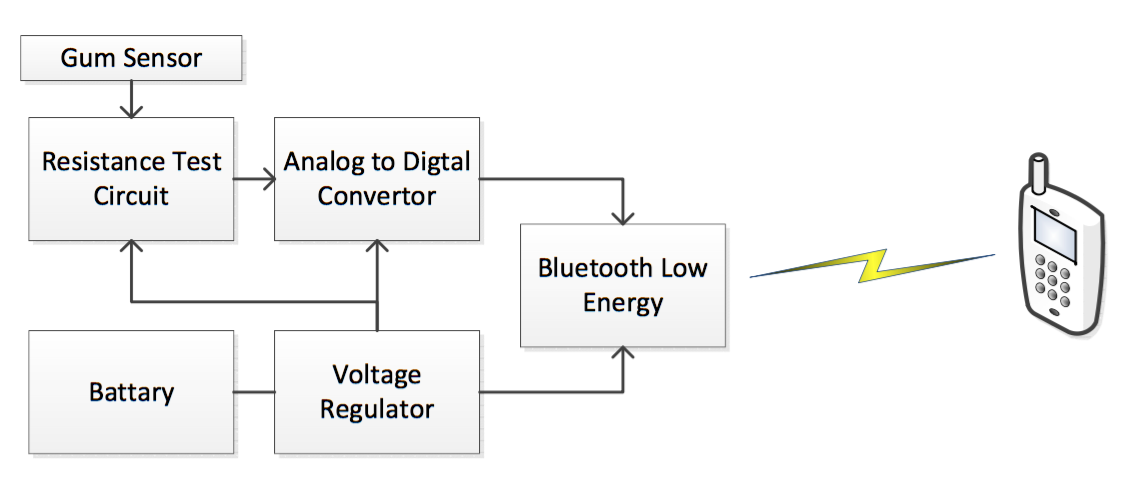
<p>I designed the Sensor testing circuits to detect and identify the changes of our gum sensor, and forward the data to an Android-based smart phone wirelessly through the Bluetooth Low Energy (BLE) module.</p>

<p><img src="/files/demos/sensor_ble/ble-block-diagram.png" alt="ble-block-diagram" /></p>

<p>As the block diagram shows, the testing procedure mainly consists of three steps. Firstly, we transformed the physical changes of the gum sensor into electrical signals by Resistance Testing Module. Then, a 10 bits Analog to Digital Convertor (ADC)  is applied to quantize the signal with the 20 Hz sampling frequency. Lastly, the digital signal is transmitted wirelessly to the smart phone through BLE links, and we can observe and study the changing properties on graphical interfaces developed by ourselves. Certainly, all the modules are powered by the Battery Module directly or by the regulated voltage.</p>

<h3 id="demo-presentation">Demo Presentation</h3>

<iframe width="560" height="315" src="https://www.youtube.com/embed/khnSpNPSujc" frameborder="0" allowfullscreen=""></iframe>

<h3 id="after-">After …</h3>

<p>I admire all the guys like Dr. Darabi who could be working on something that they’re really interested in and something that really matters instead of just paper works.</p>

<p>It was my first time to develop an android application, and also 1st time to develop the software and hardware parts at the same time on my own, and my java and engineering background help me quickly get used to android things.</p>

<h3 id="download">Download</h3>

<p>Pls check BLE project on my github.</p>]]></content><author><name>Zhen ZHAO</name><email>zhaozhen@pjlab.org.cn</email></author><category term="BLE" /><category term="Android" /><category term="demos" /><summary type="html"><![CDATA[Dr. Mohammad Ali Darabi is working on gum sensor for a long time, like his paper, Gum Sensor: A Stretchable, Wearable, and Foldable Sensor Based on Carbon Nanotube/Chewing Gum Membrane. And my job is to make the transmission wirelessly via BLE.]]></summary></entry><entry><title type="html">Air War Game with Kinect</title><link href="https://zhenzhao.github.io/posts/2016/04/air-war-kinect/" rel="alternate" type="text/html" title="Air War Game with Kinect" /><published>2016-04-12T00:00:00-07:00</published><updated>2016-04-12T00:00:00-07:00</updated><id>https://zhenzhao.github.io/posts/2016/04/air-war-kinect</id><content type="html" xml:base="https://zhenzhao.github.io/posts/2016/04/air-war-kinect/"><![CDATA[<p>With a Kinect sensor in hand, it would be  a waste if I don’t develop sth interesting. Thus, I developed a simple motion sensing game based on the skeloton data obtained from kinect. Also, it helpt myself to train my C++ programming.</p>

<h3 id="demo-presentation">Demo Presentation</h3>

<p>Control the plane to up, down, left, right, give up and kill all(ultimate).</p>

<iframe width="560" height="315" src="https://www.youtube.com/embed/G7fK6GrSmB4" frameborder="0" allowfullscreen=""></iframe>

<p>I presented this demo in a C++ class, and the slides is avaiable <a href="/files/demos/air_war/presentations.pdf">here</a>.</p>

<h3 id="key-components">Key Components</h3>

<p>You may have a basic understanding about this demo after watching the video. There are several key parts about this demo,</p>

<ul>
  <li>skeleton window</li>
  <li>game design</li>
  <li>gesture recognition</li>
  <li>virtual switch</li>
</ul>

<h3 id="after-">After …</h3>

<p>Just make use of this Kinect sensor.</p>

<h3 id="download">Download</h3>

<p>pls check “air war *” on my github.</p>]]></content><author><name>Zhen ZHAO</name><email>zhaozhen@pjlab.org.cn</email></author><category term="Kinect" /><category term="Air War" /><category term="demos" /><summary type="html"><![CDATA[With a Kinect sensor in hand, it would be a waste if I don’t develop sth interesting. Thus, I developed a simple motion sensing game based on the skeloton data obtained from kinect. Also, it helpt myself to train my C++ programming.]]></summary></entry><entry><title type="html">Unity - Healthcare monitoring</title><link href="https://zhenzhao.github.io/posts/2015/10/unity-healthcare-monitoring/" rel="alternate" type="text/html" title="Unity - Healthcare monitoring" /><published>2015-10-21T00:00:00-07:00</published><updated>2015-10-21T00:00:00-07:00</updated><id>https://zhenzhao.github.io/posts/2015/10/unity-healthcare-monitoring</id><content type="html" xml:base="https://zhenzhao.github.io/posts/2015/10/unity-healthcare-monitoring/"><![CDATA[<p>We were looking for other way to monitor the patients, simply because Kinect is a costly solution. Fortuenately, we found the XTR3D SDK from Extreme Reality Ltd.</p>

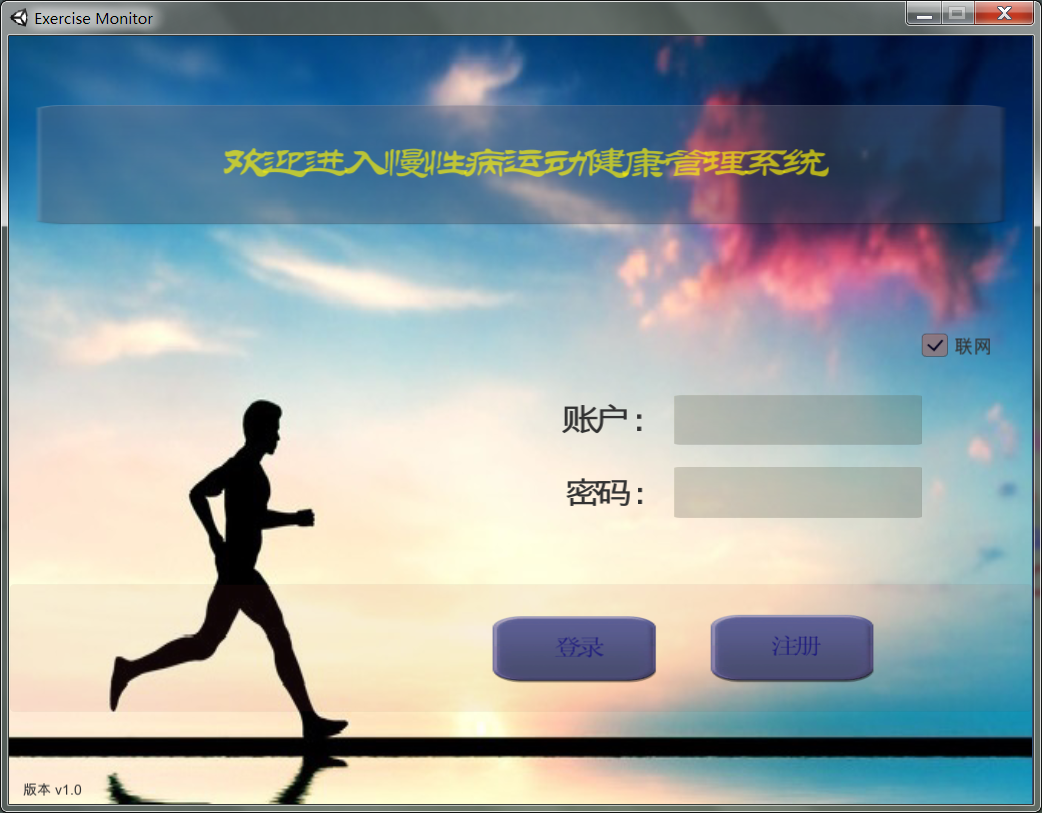
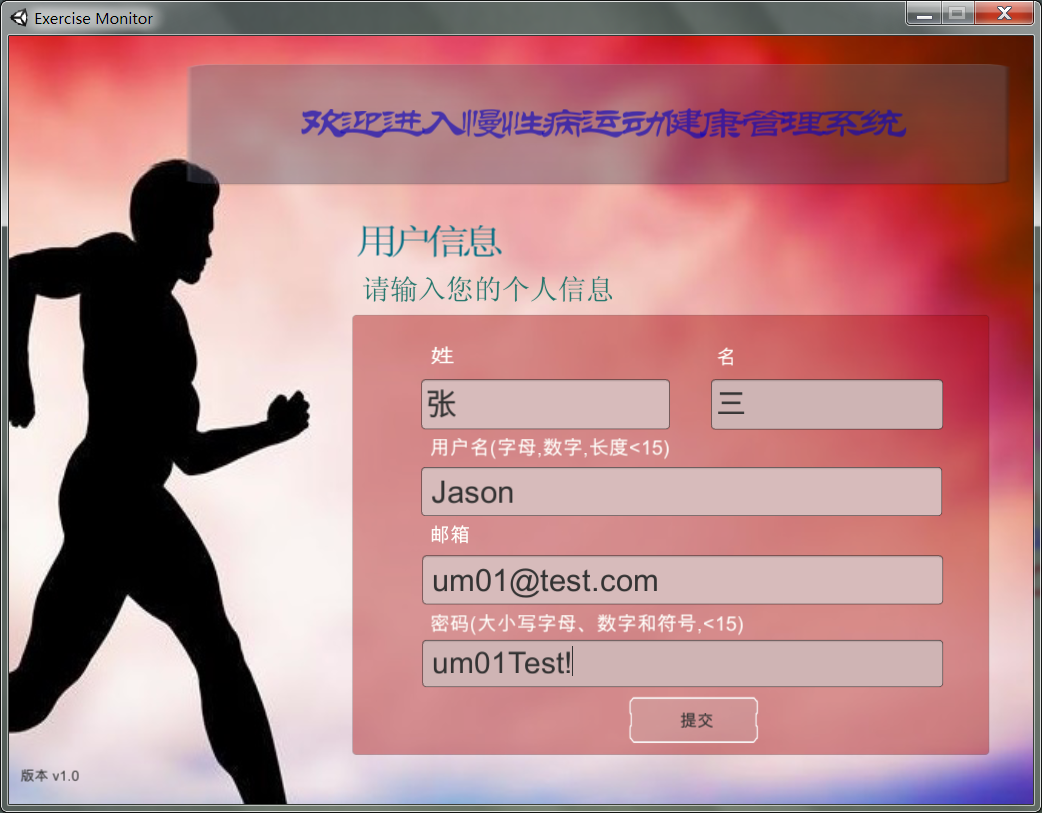
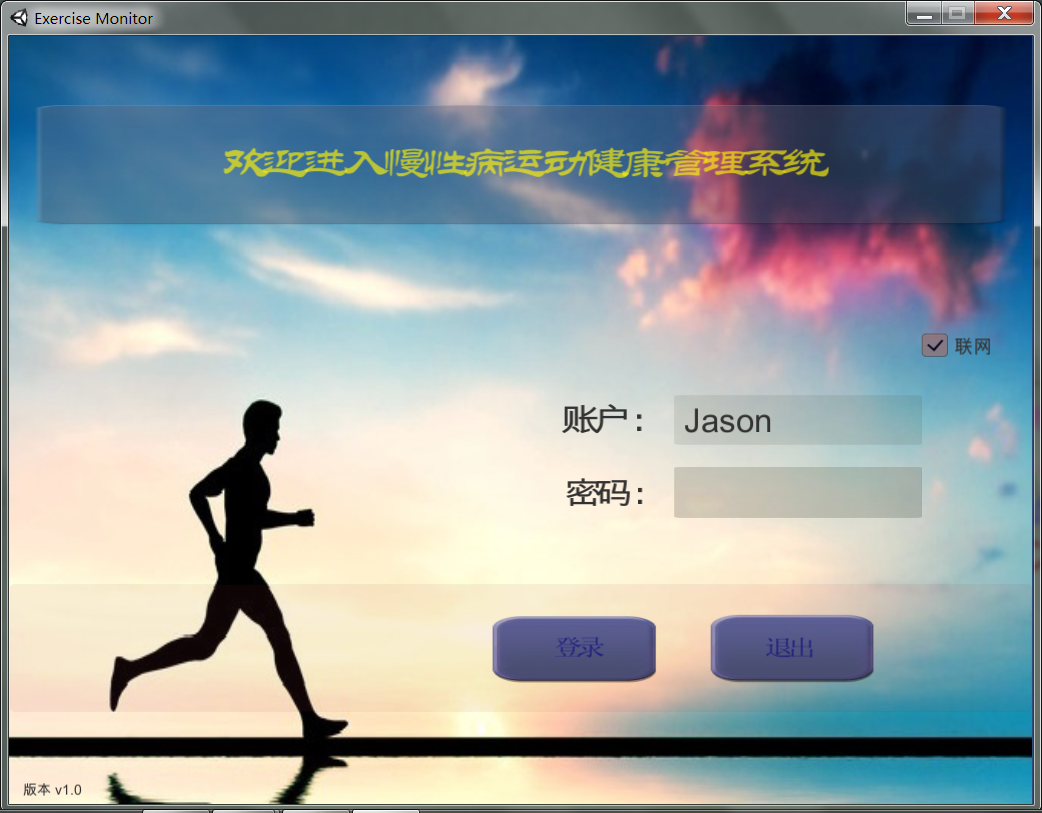
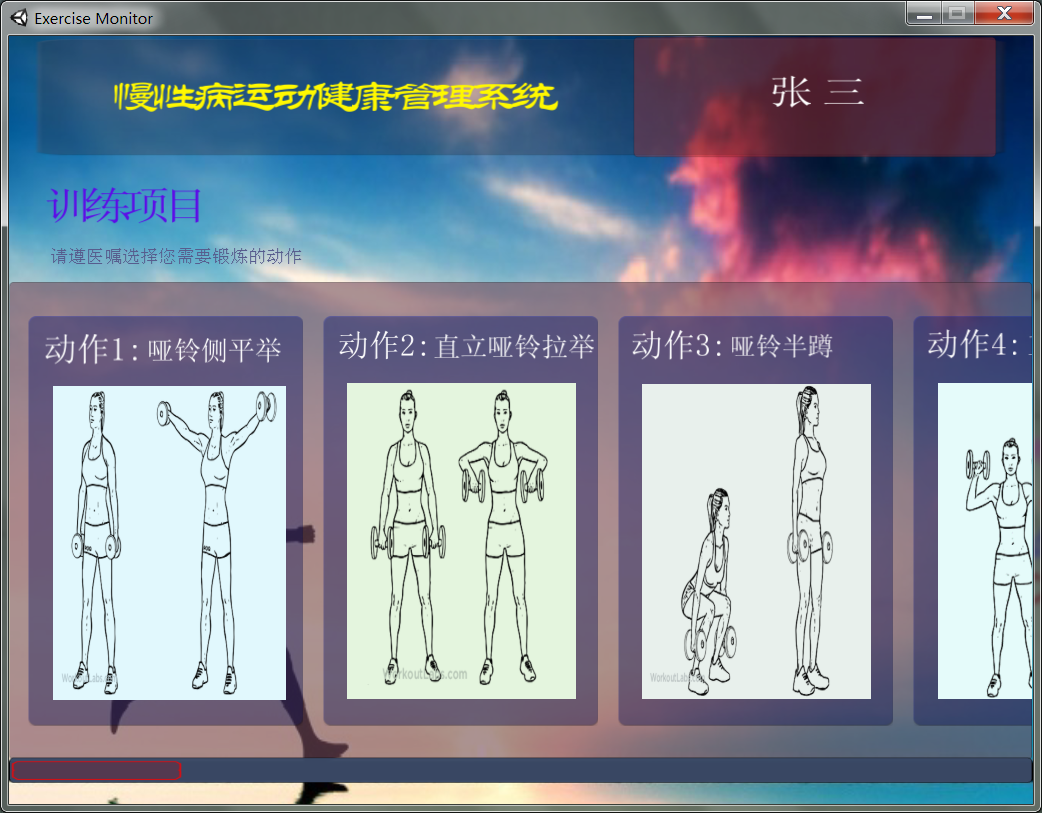
<h3 id="introduction">Introduction</h3>

<p> We want to develop a monitoring software system to obtain the patients’ information through some the normal 2D cameras, to build a bridge between doctors and patients, and to help users’ life much easier.  The Kinect sensor is a good solution but the high cost will prevent the promotion and popularizing.</p>

<p>XTD3D SDK  is the first, and only software based solution that enables ANY PC or Smart device to instantly analyze a person in 3D and recognize their movements.  So we adopted the XTR3D as our solution for patient motion recognition.</p>

<p>And, due to the cross-platform requirements and the potential possibility of game-dev, I determined to develop this application on Unity.</p>

<h3 id="demo-presentation">Demo Presentation</h3>
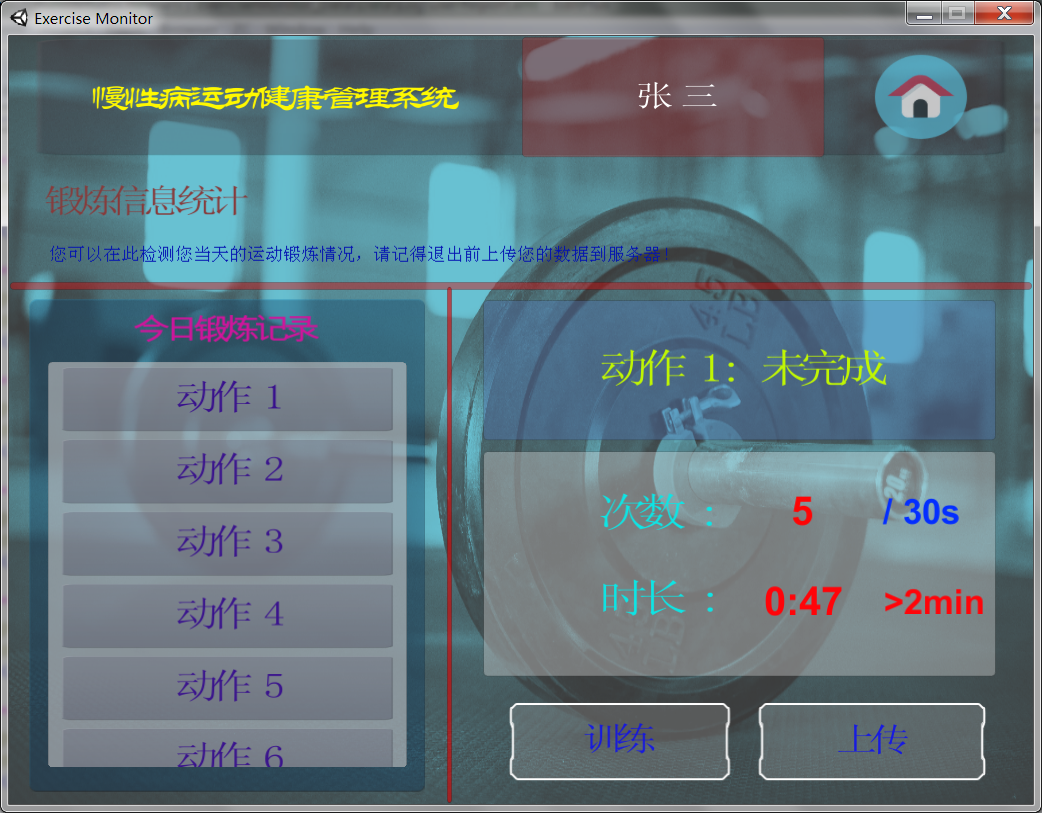
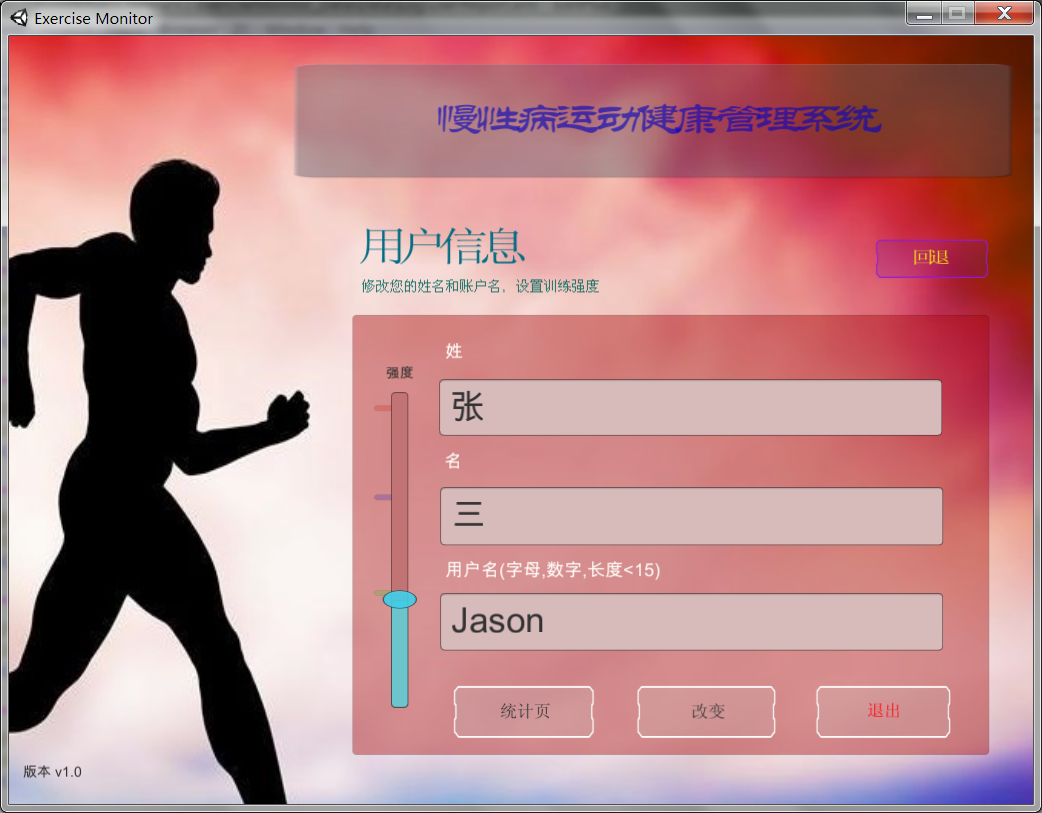
<p><strong>Client</strong></p>

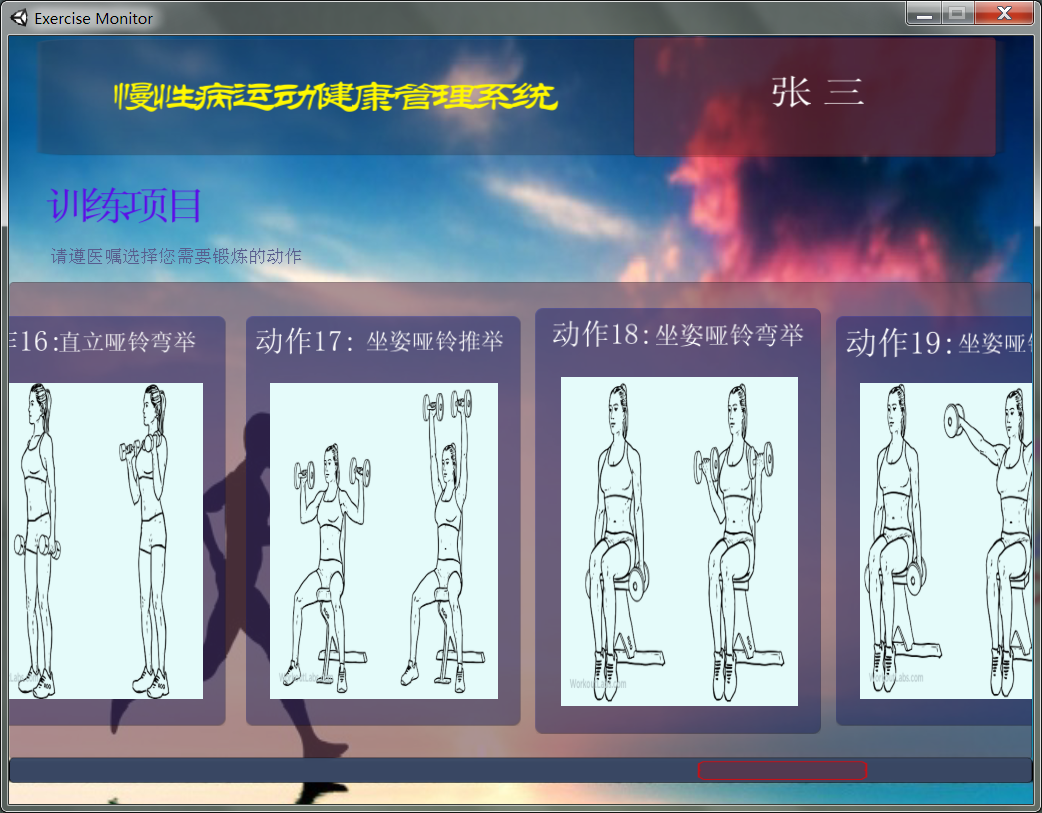
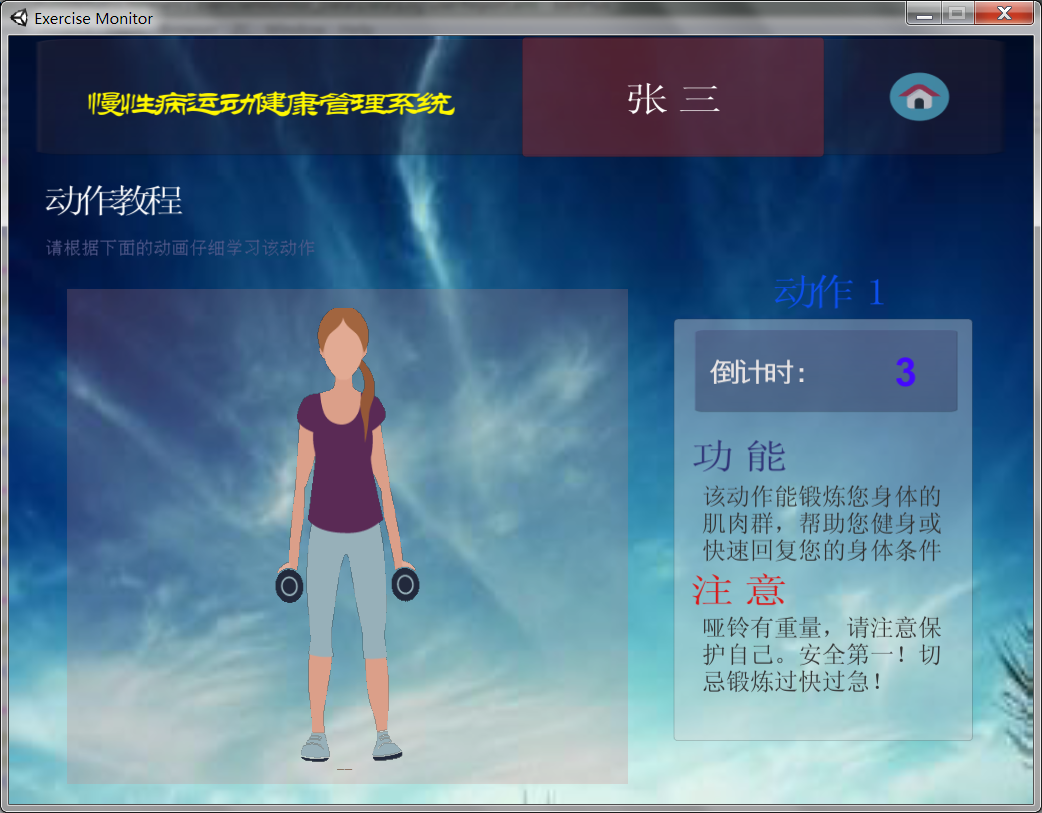
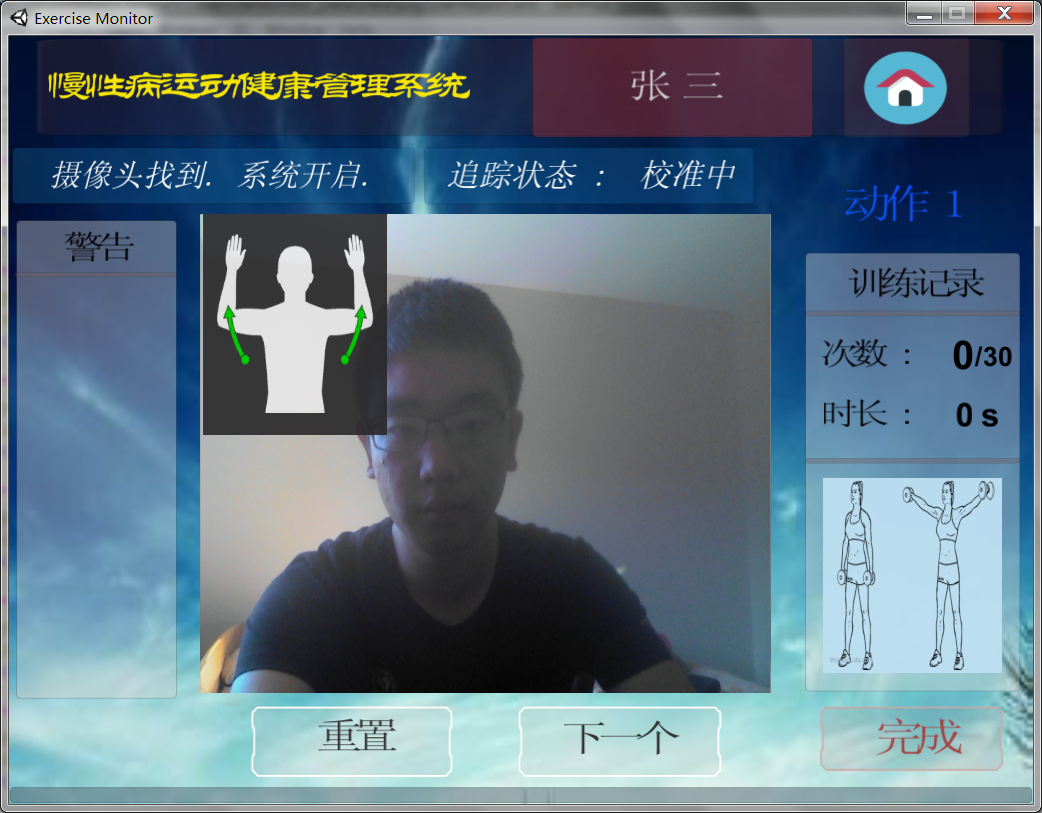
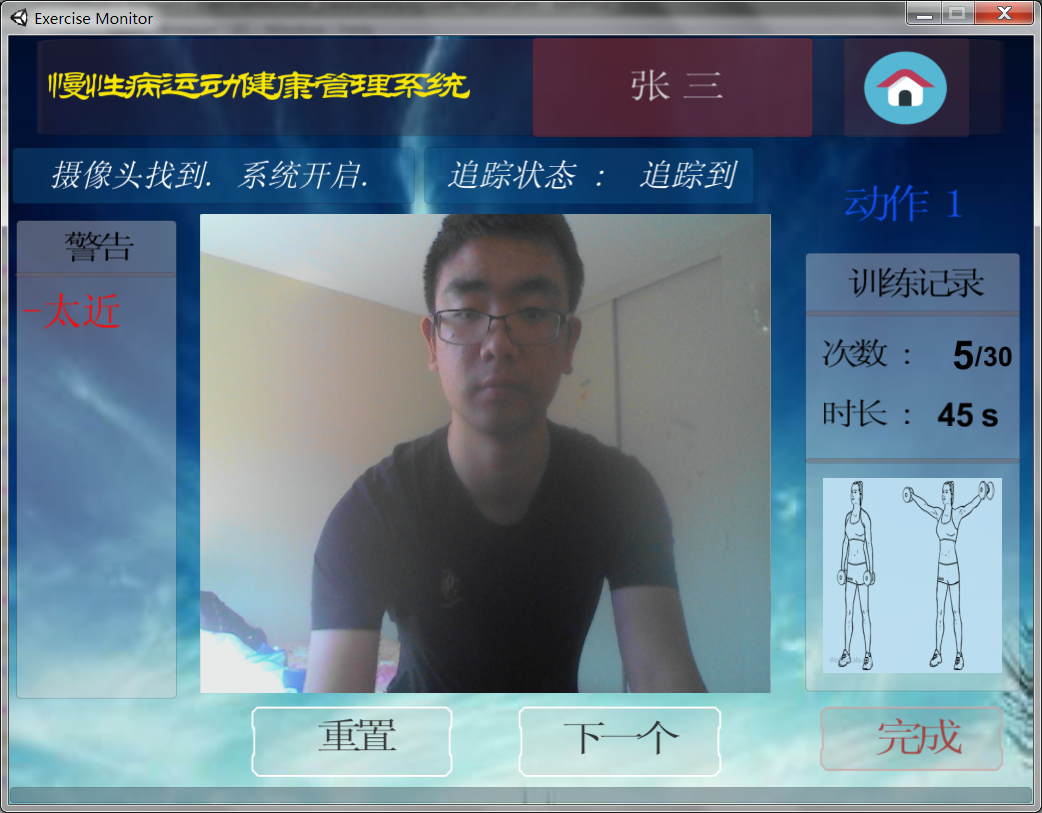
<p><img src="/files/demos/health_unity/0.png" width="40%" height="40%" alt="0" />
<img src="/files/demos/health_unity/1.png" width="40%" height="40%" alt="1" />
<img src="/files/demos/health_unity/2.png" width="40%" height="40%" alt="2" />
<img src="/files/demos/health_unity/3.png" width="40%" height="40%" alt="3" />
<img src="/files/demos/health_unity/4.png" width="40%" height="40%" alt="4" />
<img src="/files/demos/health_unity/5.png" width="40%" height="40%" alt="5" />
<img src="/files/demos/health_unity/6.png" width="40%" height="40%" alt="6" />
<img src="/files/demos/health_unity/7.png" width="40%" height="40%" alt="7" />
<img src="/files/demos/health_unity/8.png" width="40%" height="40%" alt="8" />
<img src="/files/demos/health_unity/9.png" width="40%" height="40%" alt="9" /></p>

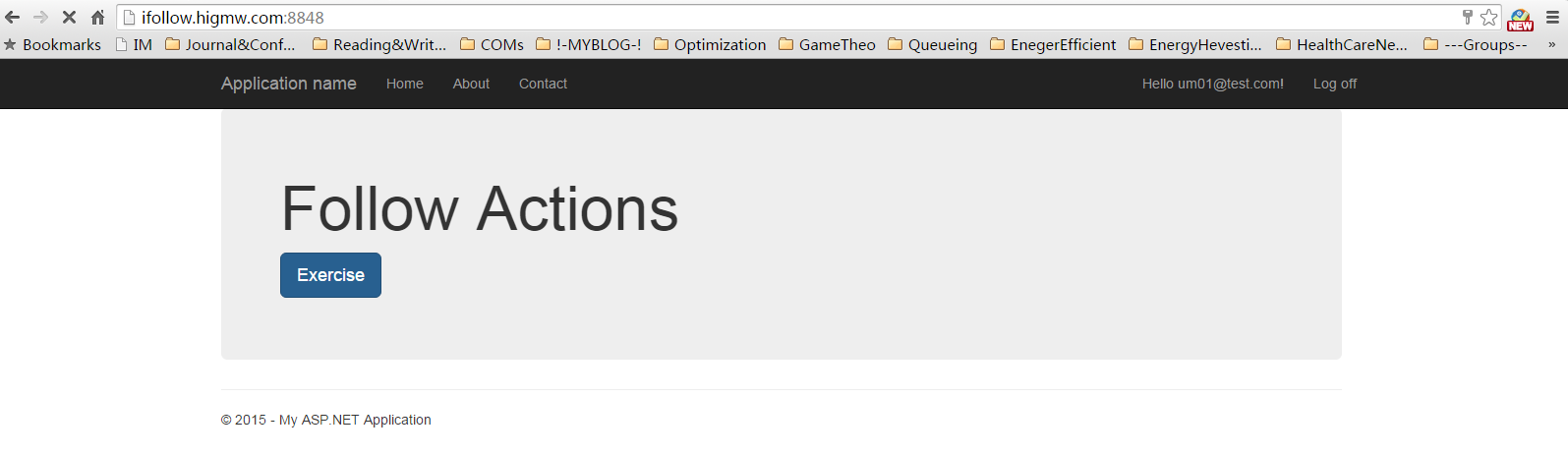
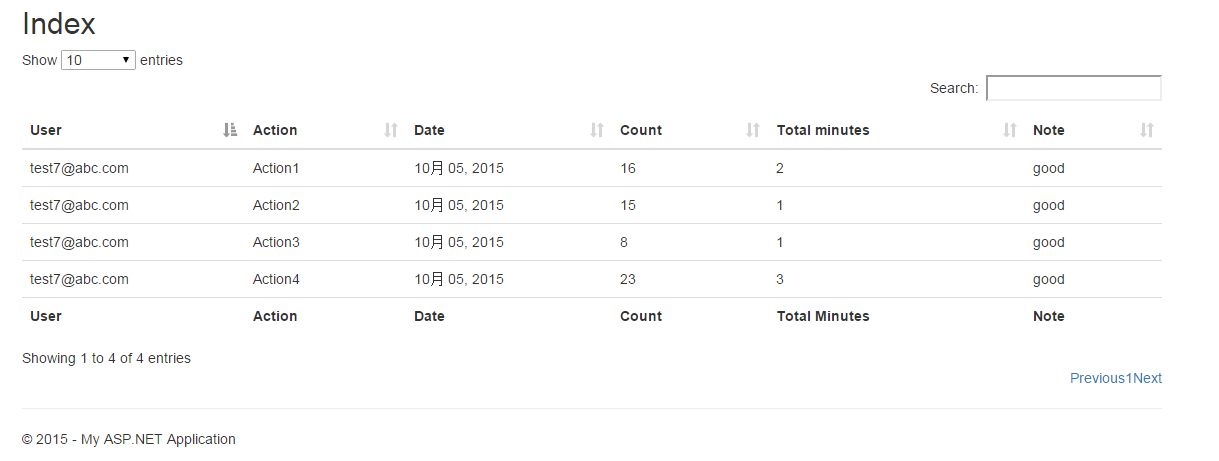
<p><strong>Server</strong></p>

<p><img src="/files/demos/health_unity/10.png" width="40%" height="40%" alt="10" />
<img src="/files/demos/health_unity/11.png" width="40%" height="40%" alt="11" />
A detailed user guide is available at <a href="/files/demos/health_unity/ClientUserGuide.pdf">here</a>.</p>

<h3 id="personal-contributions">Personal Contributions</h3>
<p>Except the server part, all the else, was done by myself…</p>

<h3 id="after-">After …</h3>
<p>Learnt Unity, which is a quite powerful and promising game engine.</p>

<h3 id="resource-download">Resource download</h3>
<p>no license. and now,  Extreme Reality’s Extreme Motion SDK is currently not available for download.</p>]]></content><author><name>Zhen ZHAO</name><email>zhaozhen@pjlab.org.cn</email></author><category term="Unity" /><category term="demos" /><category term="motion monitor" /><summary type="html"><![CDATA[We were looking for other way to monitor the patients, simply because Kinect is a costly solution. Fortuenately, we found the XTR3D SDK from Extreme Reality Ltd.]]></summary></entry><entry><title type="html">Kinect - Healthcare Monitoring System</title><link href="https://zhenzhao.github.io/posts/2015/05/kinect-health-monitoring/" rel="alternate" type="text/html" title="Kinect - Healthcare Monitoring System" /><published>2015-05-02T00:00:00-07:00</published><updated>2015-05-02T00:00:00-07:00</updated><id>https://zhenzhao.github.io/posts/2015/05/kinect-health-monitoring</id><content type="html" xml:base="https://zhenzhao.github.io/posts/2015/05/kinect-health-monitoring/"><![CDATA[<p>Physical Therapy today is not as efficient as people expect it to be, which is partly due to weak link between patients and clinicians. Even though researches have proposed many strategies for helping patients recover faster, untimely communication may make the treatments less effective. So there is a great potential and huge demand to build up a bridge between them. Therefore, we are devoted to develop a software system to monitor and record the patients’ exercise, such that the doctors could analyze the collected data to provide patients with appropriate suggestions in a short time.</p>

<h3 id="function-description">Function Description</h3>

<p>A simple detailed description about this demo could be found <a href="/files/demos/health_kinect/UserGuideKinect.pdf">here</a>. This kinect demo is based on following libs: <em>Kinect SDK 1.8</em>, <em>OpenCV</em>, <em>Qt 4.8</em>, <em>C++11</em>. And, The basic layout is shown as below:</p>

<iframe width="320" height="240" src="/files/demos/health_kinect/kinect-healthcare1.gif" frameborder="0"></iframe>

<iframe width="320" height="240" src="/files/demos/health_kinect/kinect-healthcare2.gif" frameborder="0"></iframe>

<p> This demo is aimed at verifying the correctness of Dynamic Action Recognition and providing a friendly enough user interface for human-machine interaction. </p>

<h3 id="demo-presentation">Demo Presentation</h3>

<p>I made a screen record for others to quickly grab what it is :</p>

<iframe width="560" height="315" src="https://www.youtube.com/embed/XXe1pKyLGZQ" frameborder="0" allowfullscreen=""></iframe>

<h3 id="after-">After …</h3>

<p>Just after I made up my mind to devote myself fully to paper research, I got such a task from my advisor (my boss). Actually, i felt quite helpless especially when he pushed my a lot. It took me almost two month to finish this demo, including designing, coding, docs, packaging, discussing with medical guys …. I would say it was my “dark period” because my grandpa was gone when i was working on this project. During this period, I passed two final exam of graduate courses with grade A and A+, and completed this demo with an upset and helpless mood….</p>

<p>However, I did learn something from it. in terms of programming, I trained my C++, and learnt how to develop with Kinect sensors.</p>

<h3 id="download">Download</h3>

<p>Pls check it out on my github.</p>]]></content><author><name>Zhen ZHAO</name><email>zhaozhen@pjlab.org.cn</email></author><category term="Kinect" /><category term="demos" /><category term="motion monitor" /><summary type="html"><![CDATA[Physical Therapy today is not as efficient as people expect it to be, which is partly due to weak link between patients and clinicians. Even though researches have proposed many strategies for helping patients recover faster, untimely communication may make the treatments less effective. So there is a great potential and huge demand to build up a bridge between them. Therefore, we are devoted to develop a software system to monitor and record the patients’ exercise, such that the doctors could analyze the collected data to provide patients with appropriate suggestions in a short time.]]></summary></entry></feed>